Leon Vogel · 21 October 2026
When Storytelling Meets Science: Creek Legends Fuel Interest in Local Ecosystem Tracking
Local creek legends have long described water spirits, seasonal floods, and hidden animal paths that guide community movements through the seasons, and these narratives now intersect with structured ecosystem tracking programs in multiple regions. Researchers note that stories passed down through generations often highlight changes in water flow, fish populations, and surrounding vegetation, which align with measurable environmental indicators collected through modern sensors and field surveys. In several watersheds across North America and Australia, groups have started logging observations that match details from oral accounts, such as shifts in bird migration patterns or the reappearance of certain plants after heavy rains.
Data from these combined efforts show increased participation rates in citizen science initiatives, with programs reporting hundreds of new volunteers since the integration of legend-based prompts into training materials. For instance, one project in the Pacific Northwest documented a 40 percent rise in submitted reports during the first year after legends were incorporated into public workshops. Observers point out that these stories provide contextual clues about historical baselines, allowing scientists to compare past conditions with current readings from temperature probes and water quality tests.
Integration of Oral Traditions and Monitoring Tools
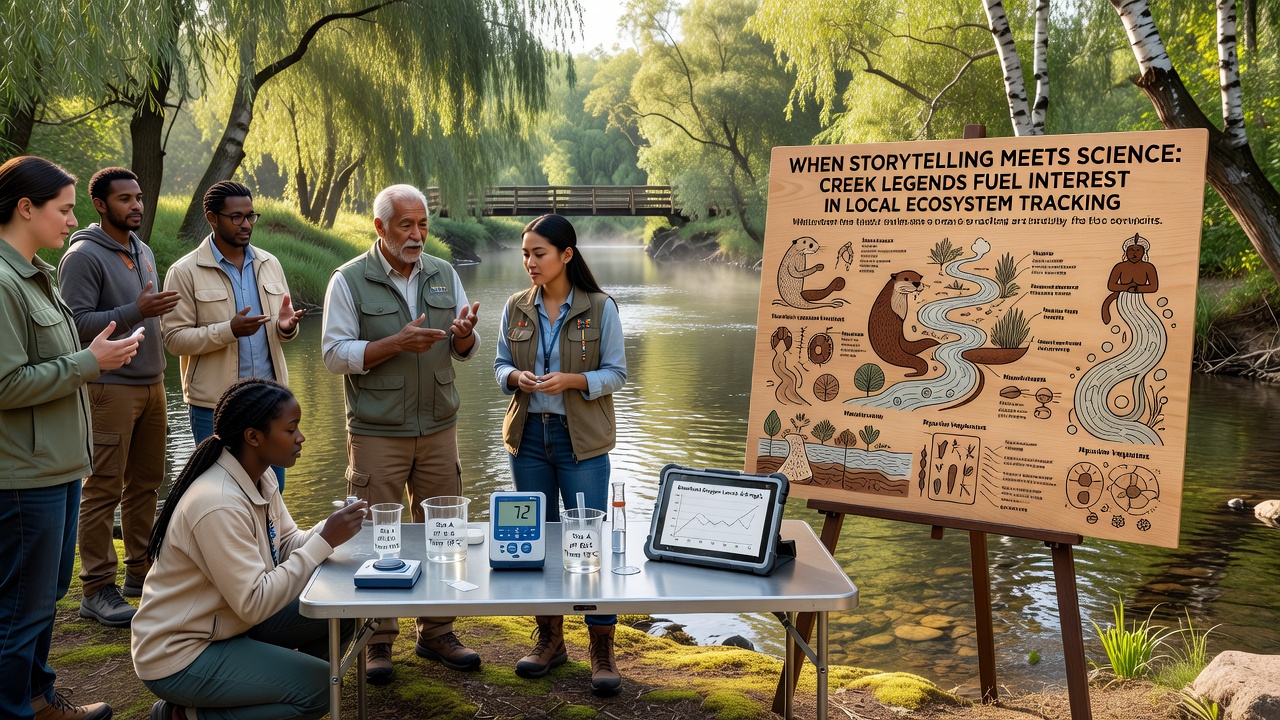
Programs that blend storytelling with data collection typically begin by recording elders' accounts of creek behavior during specific decades, then cross-reference those details against archived government records from agencies like Environment and Climate Change Canada. Teams set up monitoring stations at sites mentioned in the legends, where participants measure dissolved oxygen levels, track macroinvertebrate counts, and note vegetation density using standardized protocols. This approach yields datasets that extend further back than instrument-only records, because the narratives often reference events from the mid-20th century or earlier.
Studies conducted by teams at the University of Melbourne have examined how such hybrid methods improve accuracy in predicting seasonal flooding, since legends frequently describe overflow patterns tied to particular plant blooming cycles. Participants use mobile apps to upload photos and notes alongside quantitative measurements, creating layered records that include both numerical values and descriptive context. Results from these initiatives indicate stronger community retention when sessions start with story sharing before moving to hands-on sampling.
Regional Examples and Data Patterns
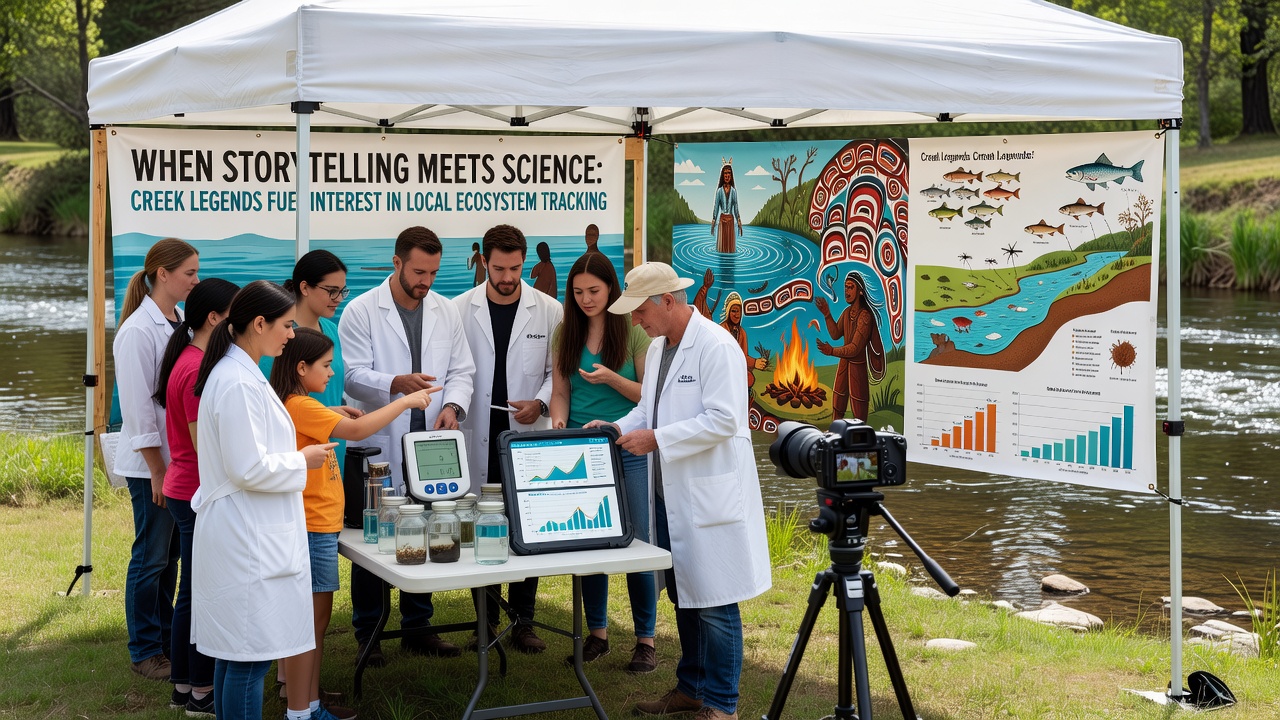
In British Columbia, one watershed group began mapping legend-described animal crossings and paired them with trail camera footage collected from 2023 onward, revealing consistent usage corridors that had not appeared in standard wildlife surveys. Similar work in Queensland, Australia, links Dreamtime accounts of water sources to current groundwater monitoring wells, where levels are logged monthly and compared against narrative descriptions of drought resilience. Figures released by the Australian Bureau of Meteorology in coordination with local trackers show alignment between oral timelines and instrument data on rainfall variability.
By October 2026, several of these projects plan expanded sensor networks that will transmit real-time readings to central databases, allowing direct comparison with legend timelines during community review sessions. Reports from the U.S. Geological Survey indicate that watersheds using this method have submitted more complete seasonal datasets than those relying solely on automated equipment, because human observers catch anomalies described in the stories, such as unusual algae blooms or sudden fish die-offs.
Challenges in Combining Narrative and Quantitative Records
Coordination between storytellers and scientists requires careful handling of cultural sensitivities, since some legends remain restricted to specific community members. Training materials developed for these programs emphasize consent protocols before any narrative elements enter public datasets. Technical teams adjust sampling schedules to respect seasonal storytelling events, which often occur during equinox periods or after first frosts, ensuring that data collection does not conflict with transmission of knowledge.
Analysis of participation logs reveals that groups maintaining separate storage for narrative notes and numerical data achieve higher compliance with privacy standards, while still allowing cross-analysis through anonymized tags. Researchers at institutions in Scandinavia have published protocols that adapt similar methods to northern European streams, where local folklore describes ice formation patterns now verified through temperature loggers.
Future Directions for Combined Approaches
Funding announcements from regional environmental departments point toward continued support for projects that treat legends as supplementary historical records rather than primary evidence. Partnerships with universities in Canada and New Zealand focus on developing open-source software that tags legend keywords to corresponding sensor outputs, streamlining the process of identifying correlations. As networks grow, participants expect improved models for ecosystem response to climate variations, built from the expanded temporal depth provided by combined sources.
One study released through the European Environment Agency examined parallel efforts in alpine creeks and found measurable gains in volunteer accuracy when legends supplied initial hypotheses for testing. These findings support ongoing expansion into additional watersheds, where local accounts already exist but remain unlinked to systematic tracking.
Conclusion
Projects that connect creek legends with ecosystem tracking continue to generate datasets enriched by both historical context and current measurements, with participation expanding across multiple continents. The method relies on structured collaboration that respects narrative origins while applying consistent scientific protocols, resulting in records that span longer periods than instrument data alone. Continued development through 2026 and beyond will test the scalability of these approaches in additional regions.