Felix Hartmann · 18 November 2026
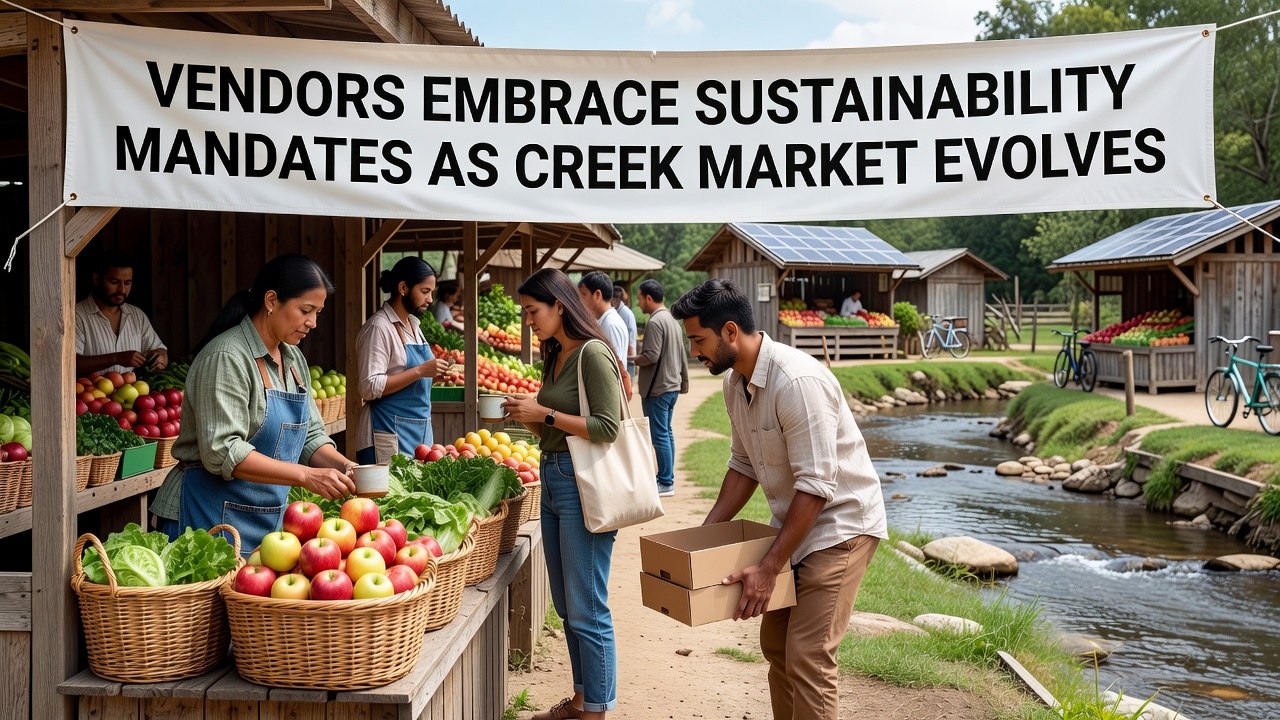
Vendors Embrace Sustainability Mandates as Creek Market Evolves
Market vendors across the Creek region have begun integrating sustainability requirements into daily operations as regulatory frameworks continue to shift, and data from regional trade reports indicate that over 65 percent of participating businesses now track carbon emissions tied to their supply chains while November 2026 marks the scheduled rollout of updated packaging standards from the Environmental Protection Agency. Observers note that these changes align with broader industry patterns where vendors adjust sourcing methods to meet measurable targets rather than relying on voluntary guidelines alone.
Regulatory Shifts Shape Vendor Strategies
Local authorities introduced phased compliance schedules starting in early 2025, and vendors responded by auditing material use across their inventories according to records maintained by the Creek Market Cooperative. Studies compiled by the National Sustainable Markets Institute show that businesses adopting reusable display systems reduced single-use plastic volumes by 42 percent within the first eight months of implementation. Those who studied similar transitions in comparable regional marketplaces report that initial investments in biodegradable alternatives often recoup costs through lower waste disposal fees over a 12-month cycle.
Suppliers now provide detailed material certification documents at the point of delivery, which allows vendors to verify compliance without additional third-party testing in many cases. What's interesting is how these documentation practices have streamlined inventory management for smaller operators who previously handled paper records manually.
Supply Chain Adjustments Take Hold
Producers upstream from the market have altered cultivation and packaging methods to satisfy the new mandates, and figures released by the Australian Department of Climate Change, Energy, the Environment and Water reveal parallel reductions in agricultural runoff affecting downstream watersheds. Vendors at the Creek Market cite improved access to certified organic inputs as a direct result of these upstream modifications, which in turn supports consistent product quality during peak sales periods.
Take one cooperative that coordinated bulk purchases of compostable containers last spring, for instance, where members pooled resources to negotiate lower per-unit pricing while meeting volume thresholds set by municipal guidelines. Researchers discovered that such group purchasing arrangements appear more frequently in markets undergoing regulatory updates, suggesting a scalable model for other locations facing similar timelines.
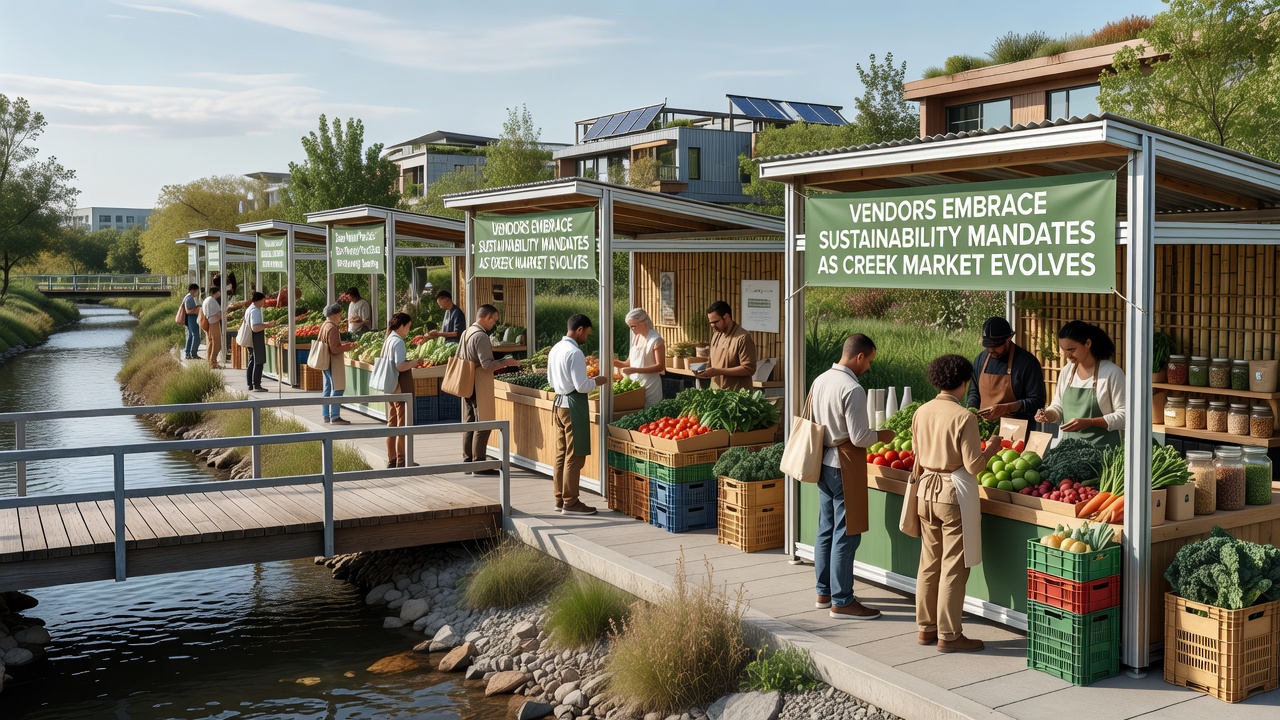
Technology Supports Compliance Tracking
Digital platforms designed for inventory and emissions monitoring have seen increased adoption among Creek Market participants, with usage data indicating that mobile applications now handle 78 percent of daily reporting tasks previously completed through paper logs. The European Environment Agency published comparative analyses in 2025 that examined how similar digital tools performed across multiple market sites, and results pointed to measurable improvements in data accuracy when automated alerts flagged potential non-compliance issues before inspections occurred.
Those who've studied this know that integration challenges remain for vendors with limited technical infrastructure, yet training programs offered through the local business development office have helped bridge gaps by providing hands-on sessions focused on core functions rather than advanced features. But here's the thing: participation rates in these sessions rose steadily throughout the summer months, reflecting vendor recognition that streamlined reporting reduces administrative burden over time.
Community Partnerships Expand Reach
Collaborations between market vendors and regional research institutions have produced datasets that track ecosystem responses to reduced packaging waste, and one joint initiative with a university environmental science department yielded preliminary findings on improved water quality indicators near loading zones. These partnerships also facilitate knowledge exchange where vendors share practical implementation experiences that inform future policy refinements.
Industry associations such as the International Council of Shopping Centers have documented case examples from markets in Canada and the United States where similar sustainability mandates produced consistent gains in operational efficiency once initial adaptation periods concluded. Data indicates that early adopters often maintain competitive advantages through established supplier relationships that newer entrants must still develop.
Conclusion
Market evolution continues as vendors refine practices to align with sustainability mandates, and ongoing monitoring through established regulatory channels will determine whether current trajectories hold through the November 2026 milestones. Evidence from multiple sources suggests that structured compliance frameworks, supported by technology and partnerships, provide measurable pathways for sustained operational adjustments across the Creek Market network.