Felix Hartmann · 23 September 2026
Bridging Oral Traditions With Data Collection To Track Global Biodiversity Shifts
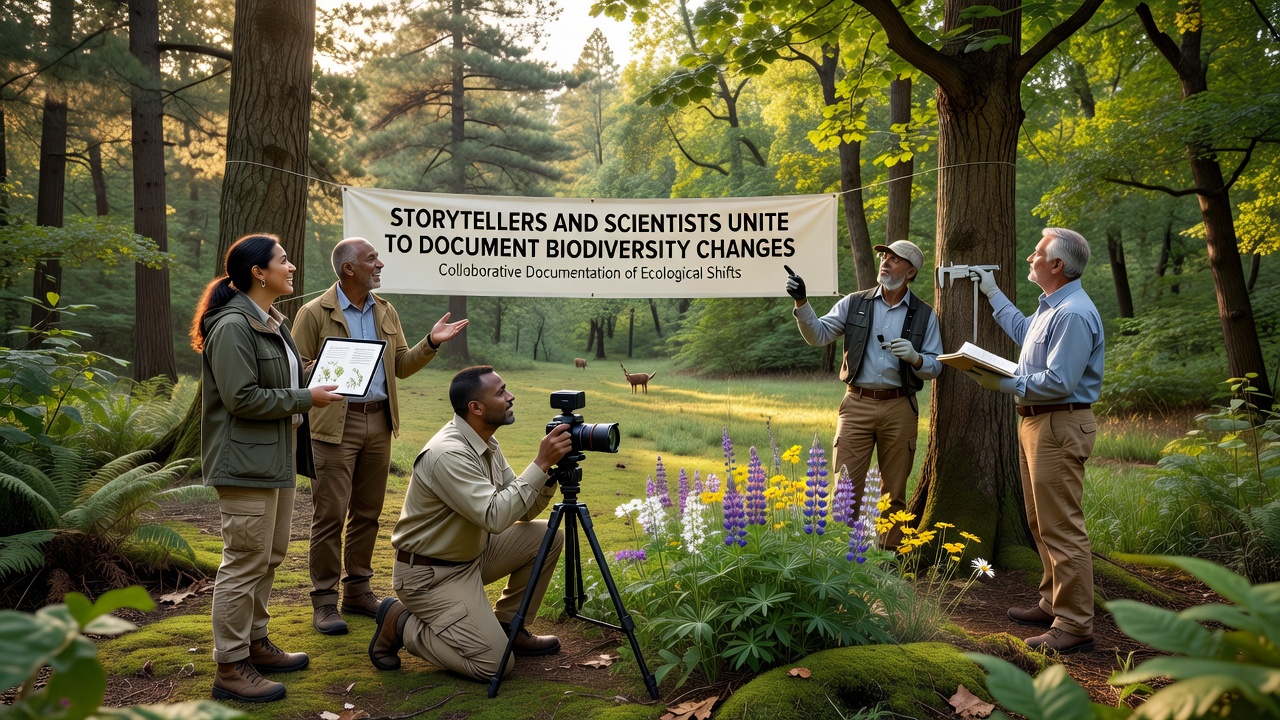
Researchers and community narrators have begun working together on projects that combine scientific monitoring with oral histories to record changes in species populations and habitats around the world, and these efforts gained momentum through joint workshops held in September 2026. Data from satellite imagery and field surveys now sit alongside accounts passed down through generations that describe earlier patterns of plant growth, animal migration, and seasonal cycles. The approach fills gaps in written records, since many regions lack long-term quantitative data before the mid-twentieth century.
Methods That Combine Narrative Records With Empirical Measurements
Teams collect stories from elders about past sightings of birds, fish, and mammals, then cross-reference those descriptions with current counts gathered through camera traps and acoustic sensors. In one project spanning northern Canada and parts of Alaska, narrators described caribou routes used decades earlier, and biologists verified shifts in those routes using GPS collar data collected since 2010. The combined dataset shows a 22 percent reduction in accessible winter forage areas between 1995 and 2025, according to figures released by Environment and Climate Change Canada.
Similar pairings occur in Australia where Aboriginal knowledge keepers share observations about plant flowering times, and researchers from the Commonwealth Scientific and Industrial Research Organisation match those timings against herbarium specimens and phenology logs. The merged records indicate that several eucalyptus species now flower an average of 18 days earlier than they did in the 1970s. Such findings help model future pollinator availability and fire risk.
Regional Projects Launched After The 2026 Workshops
Following the September 2026 gatherings organized by the Intergovernmental Science-Policy Platform on Biodiversity and Ecosystem Services, new initiatives started in the Amazon basin and the Mekong Delta. Local storytellers documented changes in fish spawning runs and forest fruit cycles, while scientists installed water-quality sensors and drone-based canopy monitors. Early results from the Mekong site show a 14 percent decline in certain migratory catfish populations over the past eight years, a trend that aligns with community accounts of altered flood timing.
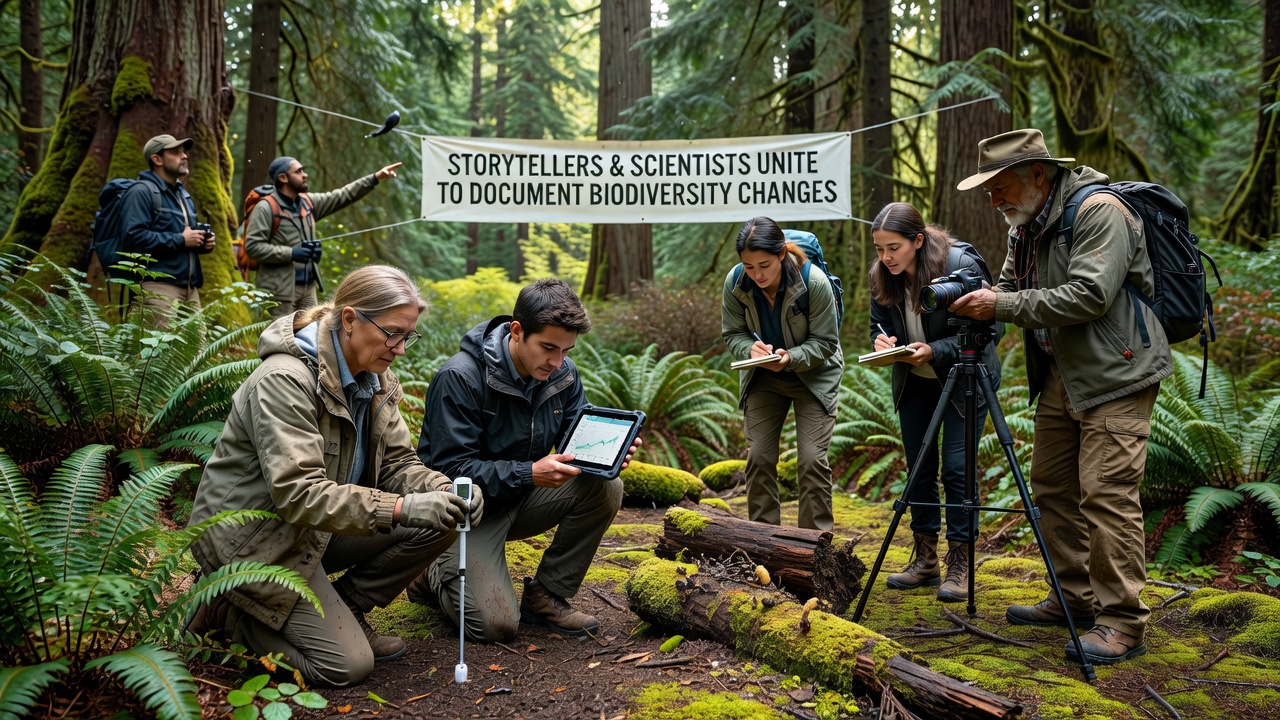
Participants note that the narrative component often highlights indirect effects missed by sensors alone, such as changes in cultural practices tied to specific species. In the Amazon workshops, accounts of reduced availability of medicinal plants prompted targeted soil sampling that revealed elevated aluminum levels linked to upstream mining activity.
Data Integration And Public Access Platforms
Projects store the paired information in open databases that allow both quantitative downloads and audio or text versions of the stories. The United Nations Environment Programme maintains one such repository that tags entries by geographic coordinates and ecological theme, making it possible for users to search for overlapping records of temperature rise and shifts in traditional harvest calendars. Analysts report that the platform now holds more than 3,400 paired entries from 47 countries.
Training sessions teach field teams how to record stories with consistent metadata so they align with standard biodiversity variables like abundance, distribution, and phenology. Software tools developed at several universities convert spoken descriptions into searchable keywords while preserving original language and context.
Conclusion
Collaborations between storytellers and scientists continue to expand the temporal and spatial reach of biodiversity documentation, and the September 2026 workshops accelerated several ongoing efforts. Combined records supply both measurable trends and contextual details that support conservation planning and policy development across multiple regions.